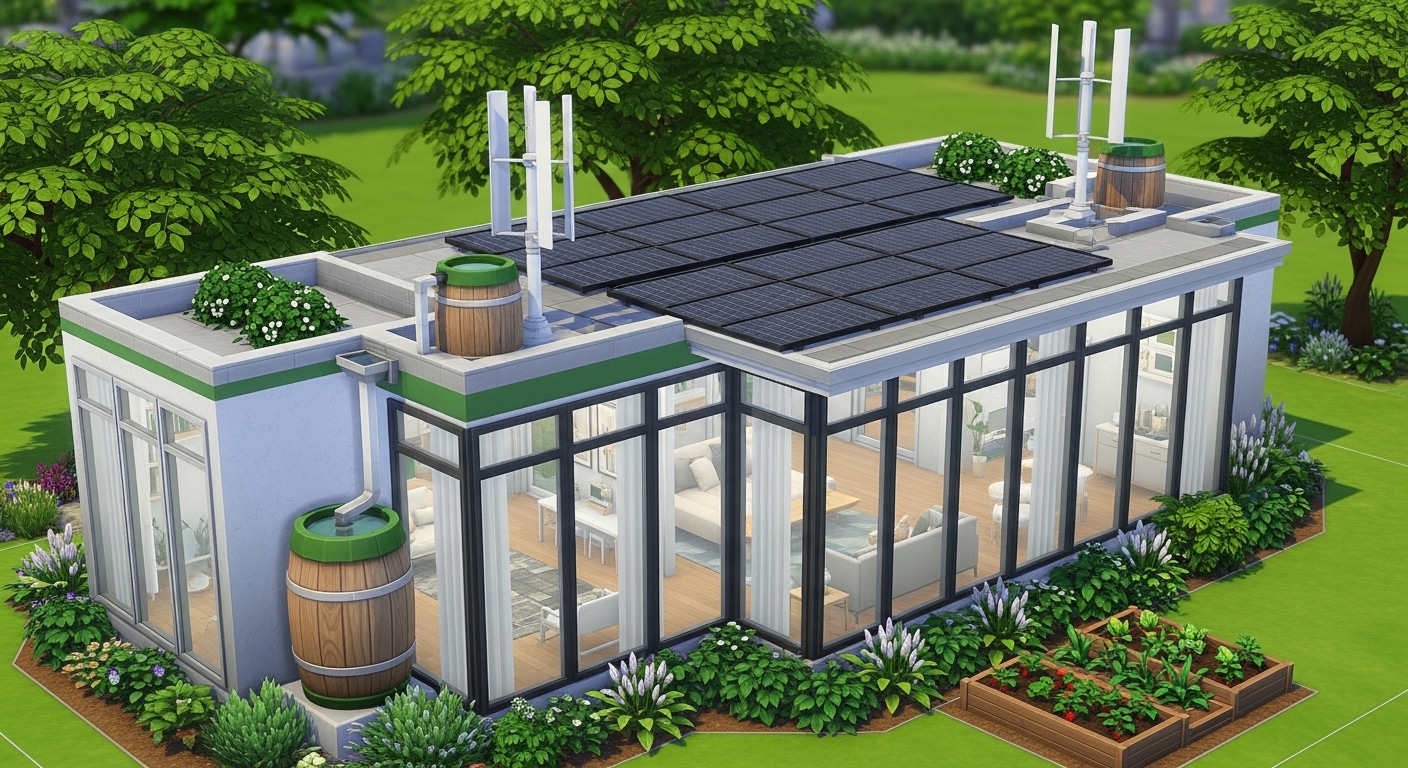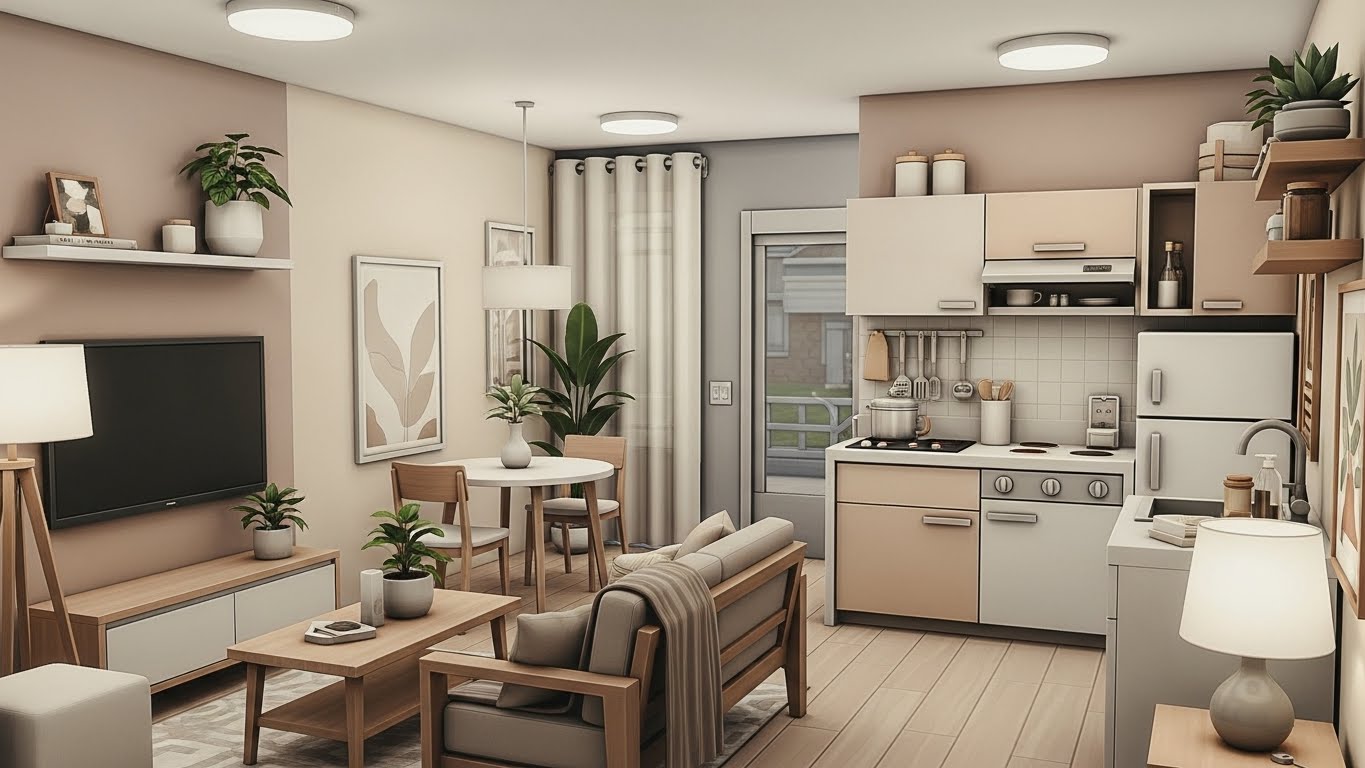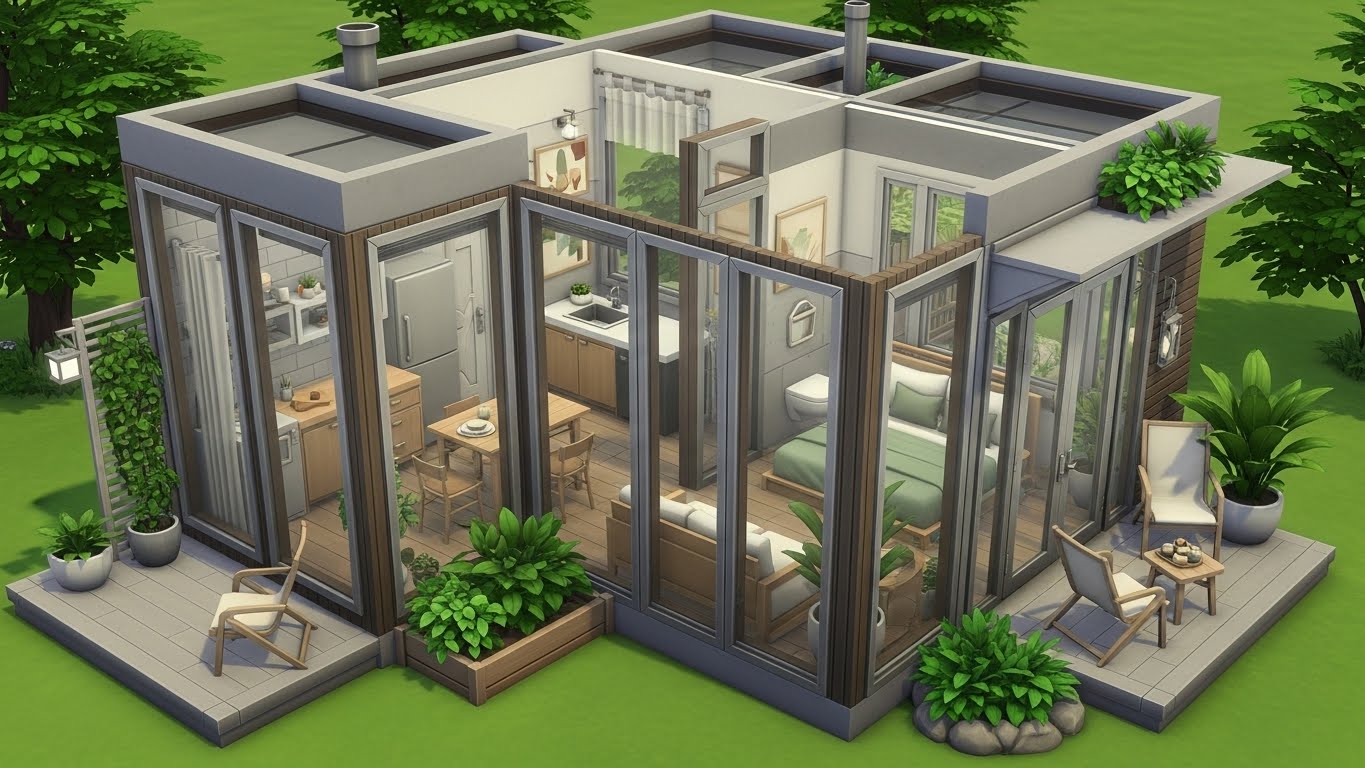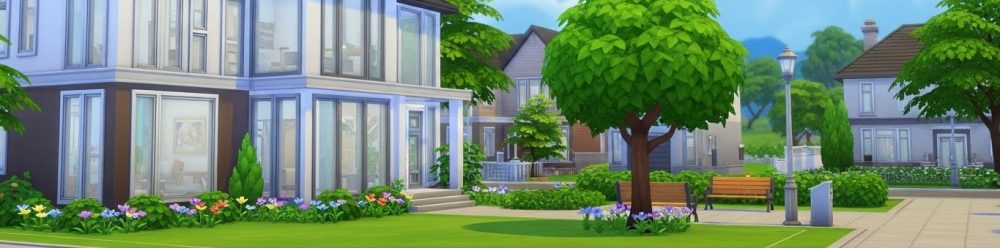
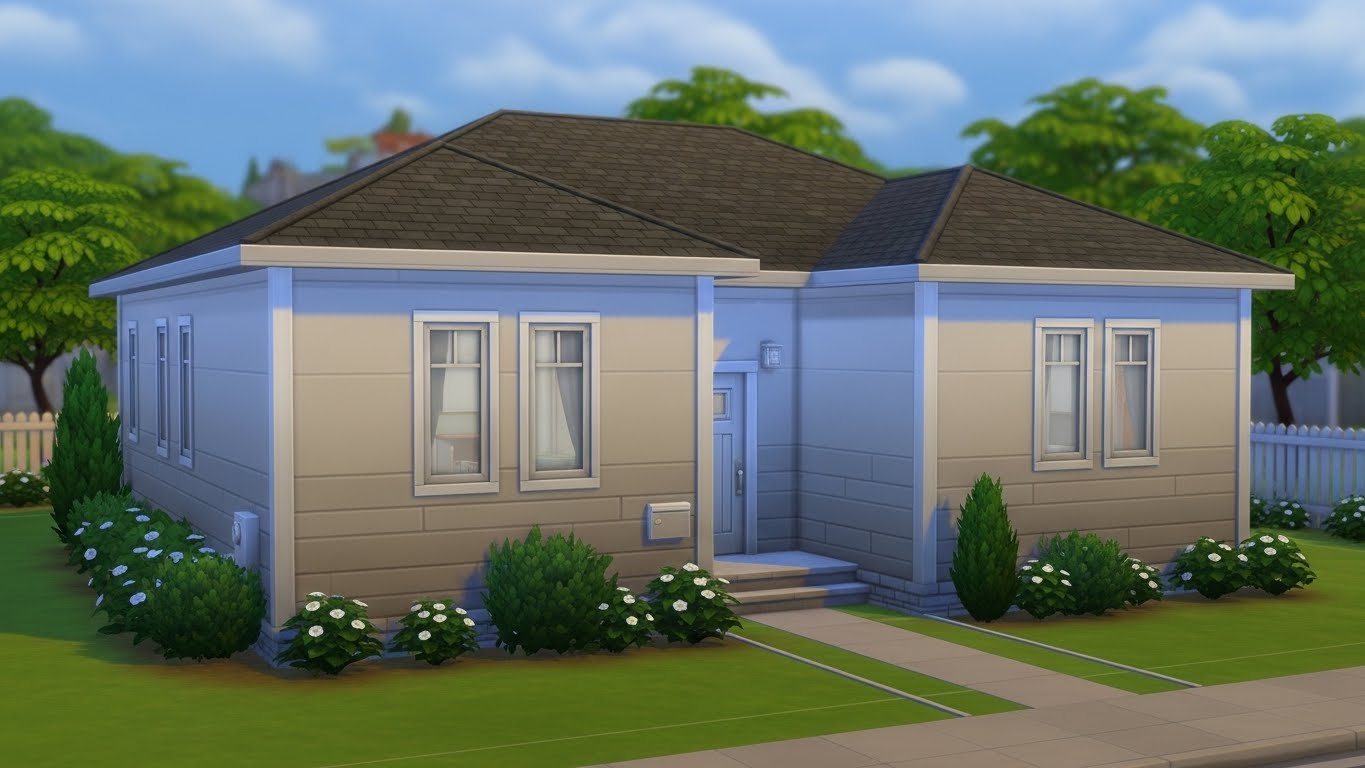
Starting a new household in The Sims 4 is one of the most exciting moments in the game. Limited funds, empty lots, and endless possibilities create a perfect foundation for storytelling and progression. However, building a starter home can quickly become frustrating when space is tight and every simoleon matters.
This guide focuses on budget-friendly starter home ideas that feel realistic, functional, and enjoyable to play in — all without custom content (No CC). These homes are designed to grow with your Sims, support everyday gameplay, and look good without relying on expensive objects.
Whether you’re creating a single Sim, a couple, or a small family, these ideas will help you build a home that feels like a beginning, not a compromise.
For players starting with limited funds, compact living spaces can be just as effective as traditional houses. In fact, small apartment ideas in The Sims 4 are a great alternative for single Sims or city-focused gameplay, offering functional layouts without unnecessary expenses.
What Makes a Good Starter Home in The Sims 4?
A starter home isn’t just about low cost — it’s about smart design.
A strong starter home should:
- Fit within a limited starting budget
- Include all essential rooms
- Feel open and playable, not cramped
- Allow easy upgrades over time
The best starter homes are intentionally simple. They don’t try to impress — they support gameplay.
Choosing the Right Lot for a Starter Home
Before building anything, location matters.
Best Lot Sizes for Beginners
- 20×15 – ideal for first-time builds
- 20×20 – slightly more flexibility
- 30×20 – good for future expansion
Smaller lots naturally limit overbuilding and help keep costs under control.
Beginner-Friendly Worlds
- Willow Creek – flat lots, suburban feel
- Oasis Springs – open layouts, modern starters
- Newcrest – completely customizable neighborhoods
These worlds are forgiving and perfect for starter gameplay.
Starter Home Layouts That Actually Work
Layout is more important than decoration when money is tight.
Open-Plan Living Spaces
Combining rooms reduces wall costs and makes homes feel larger.
Common combinations:
- Living room + kitchen
- Dining nook within the kitchen
- Entry area blended into living space
Open layouts also improve routing and gameplay flow.
One-Bedroom vs Studio Layouts
Studio-style homes work best for:
- Single Sims
- Minimalist gameplay
- Very low budgets
One-bedroom layouts are better for:
- Couples
- Long-term saves
- Privacy and realism
If possible, a small bedroom is worth the extra cost.
Essential Rooms for Early Gameplay
Starter homes should cover only what’s necessary.
Living Area
Focus on:
- A comfortable sofa or chair
- TV or bookshelf for fun
- One main light source
Avoid decorative clutter early on.
Kitchen
The kitchen is where Sims spend a lot of time.
Starter kitchen essentials:
- Refrigerator
- Stove
- Counter space (even one tile helps)
Skip islands and extra cabinets until later.
Bathroom
Small but functional.
Tips:
- Shower instead of bathtub (cheaper)
- Compact sink and toilet
- One light source
Bathrooms don’t need decoration at the start.
Bedroom
Comfort matters more than aesthetics.
Starter bedroom priorities:
- Decent-quality bed
- Small light
- Minimal furniture
Avoid large wardrobes early on.
Budget-Friendly Design Strategies
Smart design choices save simoleons without sacrificing comfort.
Use Neutral Colors
Neutral tones:
- Make rooms feel larger
- Age well as the house grows
- Work with any future furniture
Light walls and simple floors are always safe choices.
Limit Wall Height and Roofing
Tall walls and complex roofs increase cost quickly.
For starters:
- Use standard wall height
- Simple gable or flat roofs
- Avoid decorative trims
You can always upgrade later.
Starter Homes That Grow With Your Sims
A good starter home should evolve naturally.
Planning for Expansion
When building:
- Leave space on at least one side
- Avoid blocking expansion paths
- Keep plumbing walls flexible
Future upgrades might include:
- Extra bedroom
- Home office
- Outdoor patio
Upgrading Without Rebuilding
Instead of rebuilding:
- Replace furniture gradually
- Add rooms in phases
- Improve lighting over time
This keeps the story of the home intact.
Starter Home Styles That Work on a Budget
Style doesn’t have to be expensive.
Minimalist Starter Homes
Features:
- Simple shapes
- Limited color palette
- Functional furniture
Minimalism naturally reduces cost and clutter.
Small Suburban Homes
Inspired by real-life starter houses.
Characteristics:
- Compact rectangular shape
- Small front yard
- Clear separation of spaces
Perfect for family-focused gameplay.
Desert & Modern Starters
Great for Oasis Springs.
Design ideas:
- Flat roofs
- Open interiors
- Neutral desert tones
Modern styles often need fewer decorative elements.
Outdoor Space on a Starter Budget
You don’t need a perfect yard immediately.
Starter-friendly outdoor ideas:
- Small pathway to the door
- One or two plants
- Empty space for future use
Avoid heavy landscaping early on.
Common Starter Home Mistakes to Avoid
Many players overspend without realizing it.
Avoid:
- Too many windows
- Overdecorating walls
- Large unused rooms
- High-end appliances
Starter homes should feel practical, not luxurious.
Starter Homes for Different Playstyles
Your playstyle should influence your build.
Career-Focused Sims
- Small footprint
- Easy routing
- Minimal distractions
Family-Oriented Sims
- Extra bedroom space
- Larger living area
- Clear room separation
Creative or Homebody Sims
- Space for skills
- Room for future hobby items
Design around gameplay goals.
Performance and Gameplay Optimization
Small homes often run better.
Benefits:
- Faster loading
- Smoother routing
- Less visual noise
Starter homes are ideal for long-term saves.
Storytelling Through Starter Homes
Starter homes represent beginnings.
They tell stories of:
- Struggle and growth
- First jobs and relationships
- Slow transformation into dream homes
Keeping the home modest enhances emotional payoff later.
Why No CC Starter Homes Are Better Long-Term
No CC builds:
- Load faster
- Work across saves
- Are easier to share
- Age better with updates
They’re also safer for long-term gameplay.
Final Thoughts
Starter homes in The Sims 4 aren’t meant to be perfect — they’re meant to grow. A well-designed starter house supports your Sims during their early days while leaving room for progress, upgrades, and storytelling.
By focusing on layout, functionality, and smart budgeting, you can create a starter home that feels realistic, cozy, and satisfying to play in — without custom content or excessive spending.
The best homes don’t begin as dreams.
They become them.