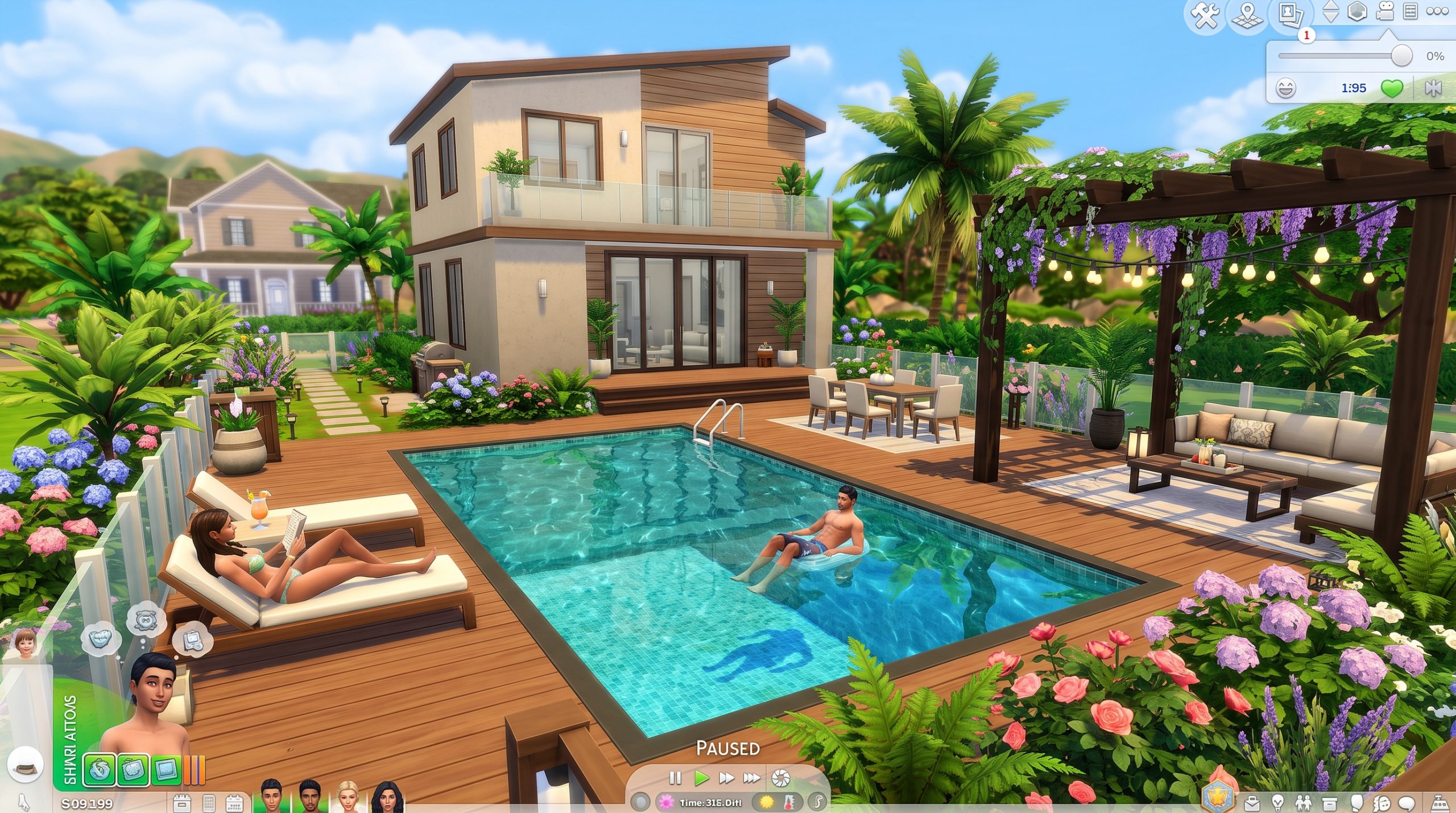
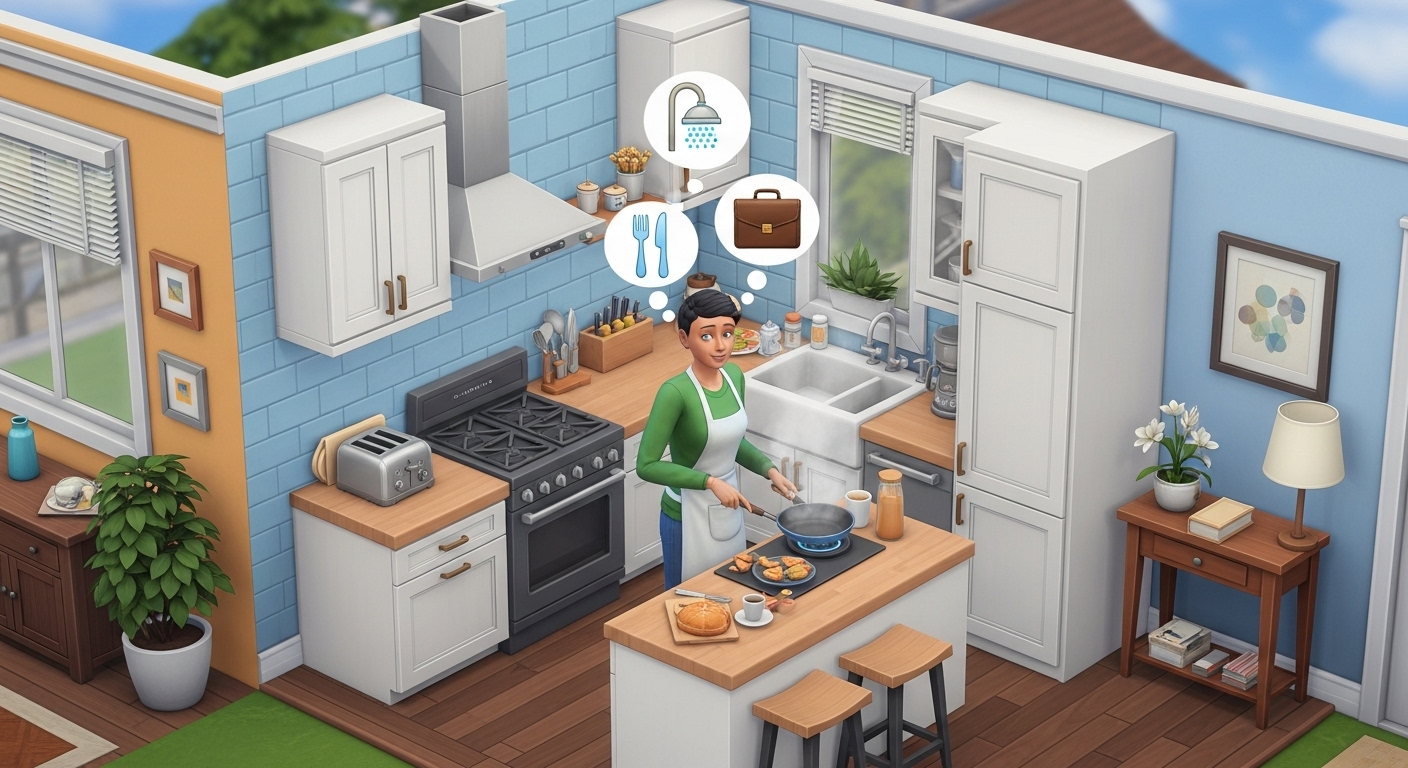
The Sims 4 offers an incredibly rich and flexible gameplay experience, but even seasoned players sometimes overlook small mechanics that can make everyday gameplay smoother, faster, and more enjoyable. Whether you’re managing a busy household, trying to balance careers and aspirations, or simply aiming for a more realistic and stress-free game, mastering everyday tips can completely transform how you play.
In this guide, we’ll explore practical, day-to-day gameplay tips for The Sims 4 that help you save time, improve Sim moods, optimize routines, and get more enjoyment out of every in-game day—without relying on cheats or mods.
Master Time Management in Daily Routines
One of the biggest challenges in The Sims 4 is time management. Days go by quickly, and poor planning can leave your Sims exhausted, late for work, or constantly stressed.
Queue Actions Smartly
Always queue multiple actions before switching Sims. For example, have your Sim:
- Use the bathroom
- Take a shower
- Eat breakfast
This prevents idle time and reduces the risk of autonomy interrupting important tasks.
Wake Up Earlier Than Necessary
Waking Sims up one or two hours before work or school gives you flexibility. Unexpected delays—like low hygiene or hunger—won’t completely derail the day.
Use Speed Controls Wisely
Speeding through routine actions like sleeping or working is fine, but slow the game during mornings or social interactions. This helps you catch mood drops or missed needs early.
Keep Sim Needs Balanced Effortlessly
Managing needs doesn’t have to feel like a constant struggle.
Upgrade Beds First
A high-quality bed dramatically improves energy recovery. This allows Sims to sleep fewer hours and frees up more time for skills, hobbies, or relationships.
Combine Need-Filling Activities
Some actions fill multiple needs at once:
- Watching TV boosts Fun while Sims eat
- Taking thoughtful showers can increase Happiness
- Socializing while dining raises Social and Hunger
Avoid Red Moodlets Early
Don’t let needs drop too low. Recovering from extreme discomfort wastes more time than maintaining moderate levels consistently.
Build Efficient Homes for Everyday Living
Good house design directly impacts gameplay efficiency.
Place Objects Strategically
Keep frequently used objects close together:
- Bathroom near bedrooms
- Kitchen near dining area
- Desk near bedroom for skill-building before bed
Less walking equals more productive Sims.
Use Compact Layouts
Large houses look great but slow Sims down. Compact homes are perfect for everyday gameplay, especially for single Sims or small families.
Add Mood-Boosting Decor
Environment moodlets matter. Even cheap decorations can give Sims a positive boost that improves skill gain and work performance.
Improve Mood Before Important Tasks
Mood directly affects how well Sims perform at work, school, and skill-building.
Prep Before Work or School
Before leaving:
- Take a shower for Confidence
- View emotional decor
- Drink coffee or tea for Energy
A positive mood can mean better performance and faster promotions.
Use Emotional Auras
Many objects emit emotional auras. Enable them strategically in workspaces or bedrooms to guide Sim emotions naturally.
Make Money More Efficiently Without Grinding
Earning Simoleons doesn’t have to feel repetitive.
Choose Profitable Skills Early
Skills like Writing, Painting, Programming, and Gardening generate passive or semi-passive income that fits naturally into daily routines.
Sell from Inventory
Harvestables, collectibles, and crafted items can be sold directly from inventory—no need to travel or place them manually.
Use Freelance and Side Gigs
Freelance careers offer flexibility and fit well with busy family gameplay or rotational playstyles.
Manage Relationships with Less Effort
Social decay can be frustrating, but there are ways to manage it efficiently.
Use Group Activities
Invite friends over while your Sim eats, watches TV, or works on hobbies. This builds relationships without sacrificing productivity.
Schedule Social Days
Dedicate one in-game evening per week to socializing. This keeps relationships strong without daily micromanagement.
Keep Social Needs Stable
Even quick interactions like texting or short chats can prevent Social needs from dropping too low.
Make the Most of Autonomy
Autonomy isn’t the enemy—it just needs guidance.
Disable Autonomy for Selected Sims
In larger households, reduce autonomy for key Sims to maintain control over daily routines.
Let Autonomy Handle Background Sims
Allow secondary household members to manage themselves while you focus on one or two Sims at a time.
Use Likes and Dislikes
Set Likes and Dislikes to guide autonomous behavior toward activities that improve mood and skills.
Skill Building Without Burnout
Grinding skills can feel repetitive, but everyday gameplay can make it more natural.
Short, Frequent Sessions
Multiple short sessions are often more effective than one long grind—especially when moodlets are positive.
Build Skills During Free Time
Skill-building before bed or after work fits seamlessly into daily schedules.
Use Skill-Boosting Objects
Certain furniture, traits, and lot traits speed up learning significantly. Even small boosts add up over time.
Reduce Daily Frustrations
Small annoyances can ruin gameplay flow if left unchecked.
Lock Doors Strategically
Prevent Sims from wandering into private rooms or using computers meant for work.
Control Visitors
Lock doors or set boundaries to stop guests from disrupting routines or eating unfinished meals.
Save Often
Unexpected glitches or emotional spirals happen. Regular saves protect your progress and reduce frustration.
Use Calendar and Events Wisely
The calendar isn’t just decorative—it’s a powerful planning tool.
Plan Around Holidays
Schedule skill-building or rest days around holidays to avoid negative moodlets.
Customize Events
Remove stressful traditions or add positive ones that fit your household’s lifestyle.
Schedule Vacations Strategically
Even short vacations reset moods and make long-term gameplay feel fresh.
Maintain Long-Term Gameplay Enjoyment
Everyday tips aren’t just about efficiency—they help prevent burnout.
Rotate Playstyles
Switch between families, careers, or challenges to keep gameplay interesting.
Set Personal Rules
Create self-imposed goals instead of rushing promotions or wealth.
Embrace Imperfection
Not every Sim needs a perfect life. Unexpected failures often create the most memorable stories.
Final Thoughts
Everyday gameplay in The Sims 4 becomes far more enjoyable when small systems work in your favor instead of against you. By managing time wisely, designing efficient homes, maintaining balanced needs, and using simple mood and routine optimizations, you can reduce micromanagement while increasing immersion.
These tips don’t require cheats or mods—they simply help you understand how the game’s mechanics fit together in daily life. Whether you’re a casual player or a long-term Simmer, mastering everyday gameplay techniques allows you to focus on what truly matters: storytelling, creativity, and having fun in your virtual world.
With these strategies in mind, every Sim day can feel productive, smooth, and satisfying—just the way The Sims 4 is meant to be played.