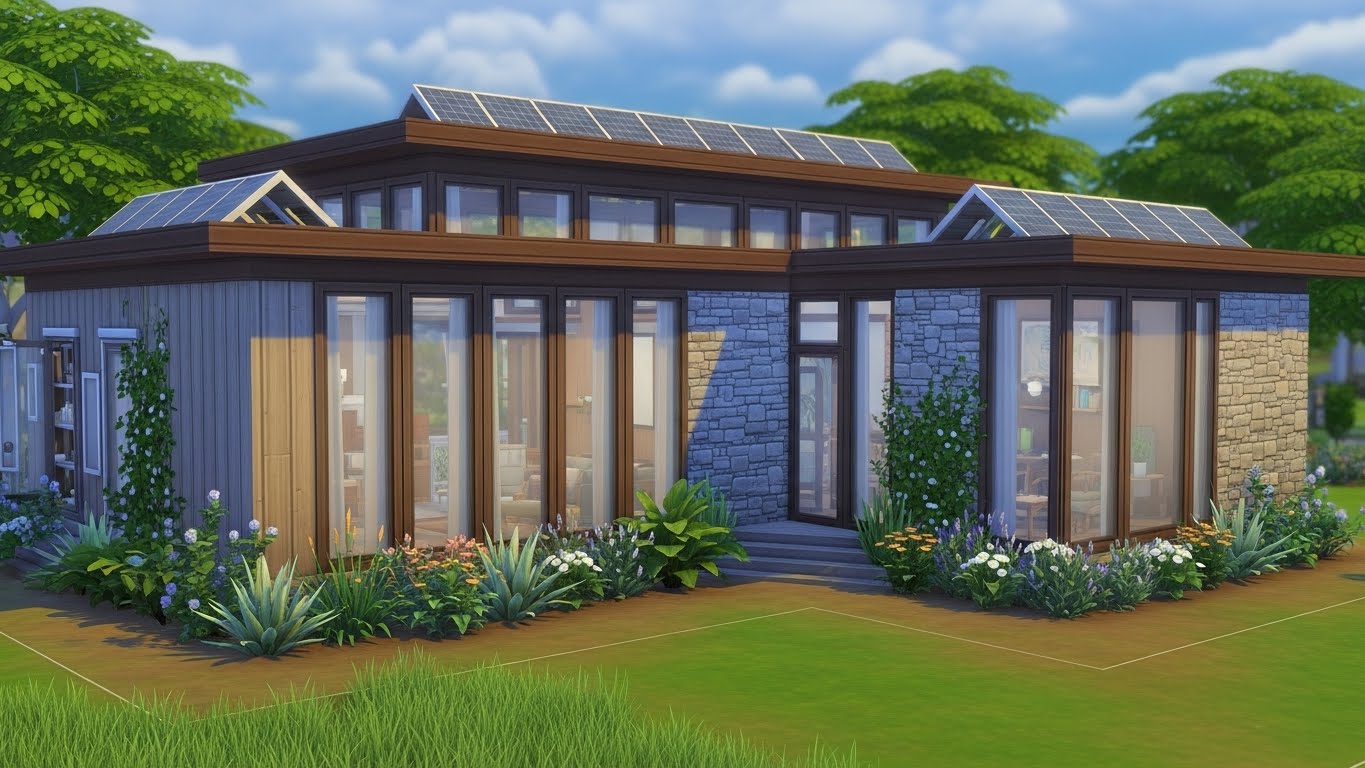
Sustainable house builds have become one of the most inspiring and meaningful ways to play The Sims 4. Beyond aesthetics, eco-friendly homes bring depth to gameplay, encourage thoughtful design choices, and align perfectly with long-term storytelling. Whether you enjoy realistic builds, family-oriented gameplay, or slow progression challenges, sustainable architecture adds realism and purpose to every lot.
In this guide, we’ll explore how to create sustainable house builds using eco materials, smart layouts, and environmentally conscious design principles — all without custom content. These ideas work beautifully for both beginners and experienced builders.
What Makes a House Sustainable in The Sims 4?
A sustainable house is more than just a “green-looking” building. It focuses on efficiency, durability, and harmony with the environment. In The Sims 4, sustainability often comes from smart build choices rather than specific gameplay mechanics.
Key principles of sustainable Sims builds include:
- Using natural and long-lasting materials
- Designing compact but functional layouts
- Maximizing natural light and ventilation
- Reducing unnecessary space and clutter
- Creating homes that evolve over time
These builds are ideal for realistic saves, family gameplay, and eco-focused storylines.
Eco-Friendly Materials You Can Use in Build Mode
Wood and Natural Textures
Wood is one of the most versatile and eco-friendly materials in The Sims 4. Wooden floors, wall panels, and beams instantly create a warm and sustainable feel.
Light woods work well for Scandinavian and minimalist homes, while darker woods suit rustic or countryside builds. Mixing different wood tones adds realism without overwhelming the design.
Stone and Brick for Durability
Stone and brick walls are perfect for sustainable homes designed to last generations. These materials suggest strength, insulation, and timeless design.
Stone foundations, brick accent walls, and textured exteriors help your build feel grounded and environmentally conscious, especially in rural or nature-focused worlds.
Recycled and Industrial Elements
Industrial-style items can represent reused or recycled materials when applied thoughtfully. Metal railings, concrete floors, and exposed beams work well when balanced with softer textures.
This approach is perfect for modern eco homes, loft-style houses, or renovated industrial builds turned into sustainable living spaces.
Designing Efficient Layouts for Eco Homes
Compact Floor Plans
Smaller homes are naturally more sustainable. Compact layouts reduce energy use, simplify navigation, and encourage intentional design.
Instead of multiple unused rooms, focus on multi-purpose spaces:
- Open-plan kitchens and living areas
- Combined office and guest rooms
- Shared bathrooms between bedrooms
Compact homes also make gameplay faster and more enjoyable.
Open Spaces and Natural Flow
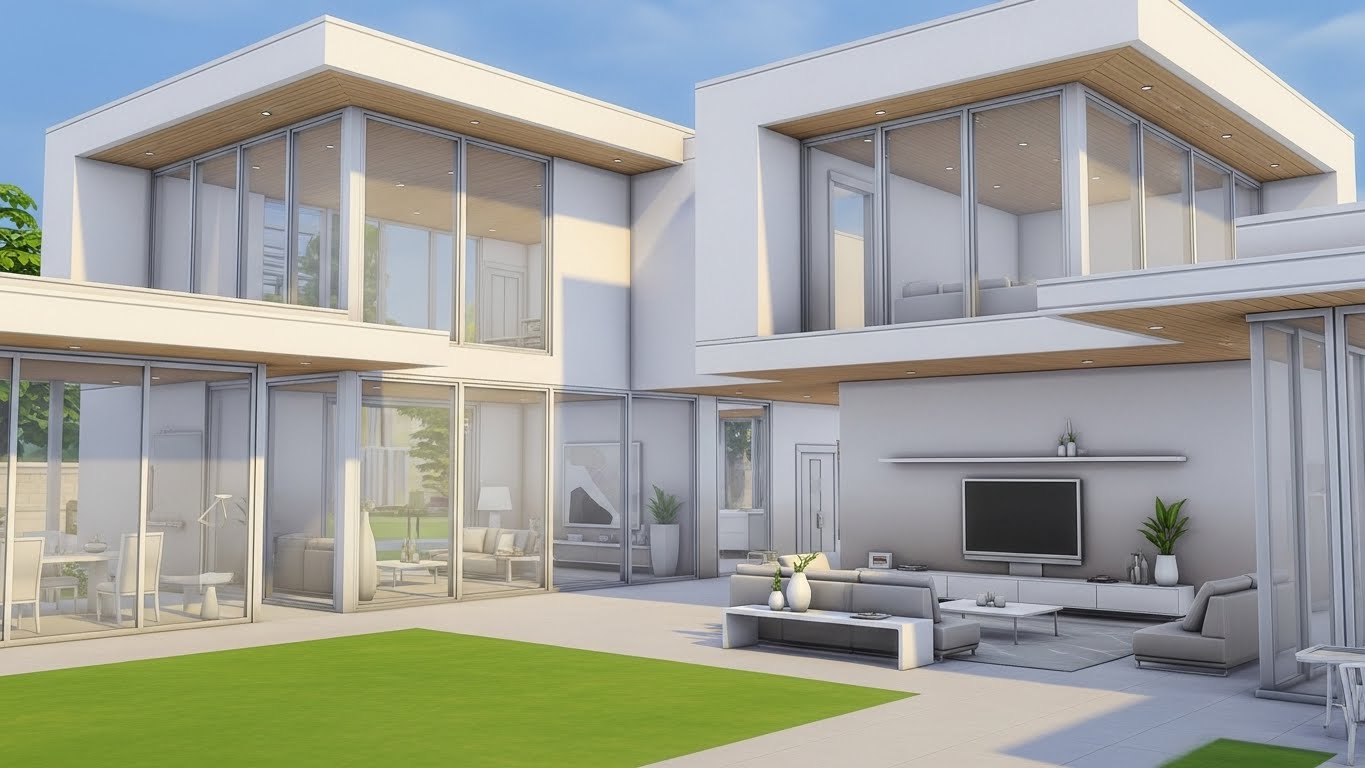
Eco homes benefit from open layouts that allow light and air to move freely. Large windows, open staircases, and minimal interior walls help create a bright and breathable space.
This not only looks modern but also supports realistic sustainable architecture.
Modular Design for Long-Term Gameplay
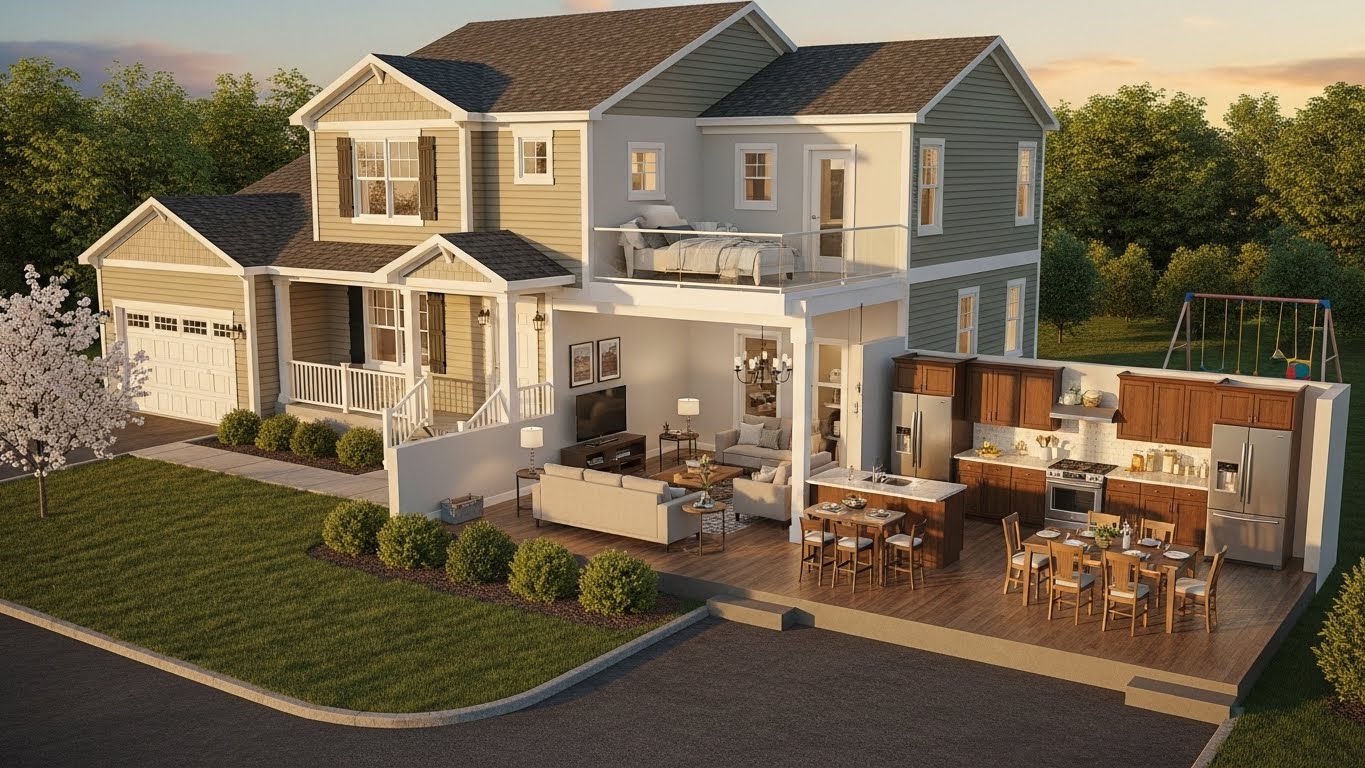
One of the best sustainable strategies is building homes that can grow over time. Start with a small core structure, then expand as your Sims’ needs and finances change.
This works especially well for:
- Family progression saves
- Legacy challenges
- Rags-to-riches style gameplay
Using Natural Light as a Design Feature
Natural lighting plays a major role in eco-friendly architecture. Large windows, skylights, and glass doors reduce the need for artificial lighting and make homes feel alive.
Position living areas to face sunlight and bedrooms to receive softer morning or evening light. This small detail adds realism and improves the overall atmosphere of the build.
Sustainable Landscaping Ideas
Native Plants and Minimal Gardens
Instead of overly decorative landscaping, focus on simple, natural greenery. Shrubs, grasses, and small trees help homes blend into their environment.
Avoid overcrowding the lot — sustainable landscaping often looks clean, calm, and intentional.
Functional Outdoor Spaces
Eco homes often include functional outdoor areas rather than purely decorative ones. Consider adding:
- Small gardens
- Outdoor seating areas
- Natural walking paths
- Simple patios using stone or wood
These features enhance storytelling and encourage outdoor gameplay.
Interior Design for Sustainable Sims Homes
Minimalist Furniture Choices
Sustainable interiors favor quality over quantity. Choose furniture that feels durable and timeless rather than trendy.
Stick to neutral colors, natural textures, and simple shapes. This approach keeps interiors clean, calming, and easy to live in.
Reusing Items Across Rooms
A sustainable mindset includes reusing and repurposing furniture. Desks can double as craft tables, dining spaces can serve as work areas, and storage items can be shared across rooms.
This makes homes feel lived-in and realistic.
Calm Color Palettes
Earth tones work best for eco interiors:
- Warm whites
- Soft greens
- Beige and sand tones
- Muted browns and grays
These colors reflect natural materials and reduce visual noise inside the home.
Sustainable Homes for Different Playstyles
Family-Oriented Eco Homes
For families, sustainable homes focus on safety, comfort, and adaptability. Shared spaces encourage interaction, while bedrooms remain simple and functional.
Outdoor play areas and family gardens add realism and support long-term gameplay.
Solo Sims and Minimal Living
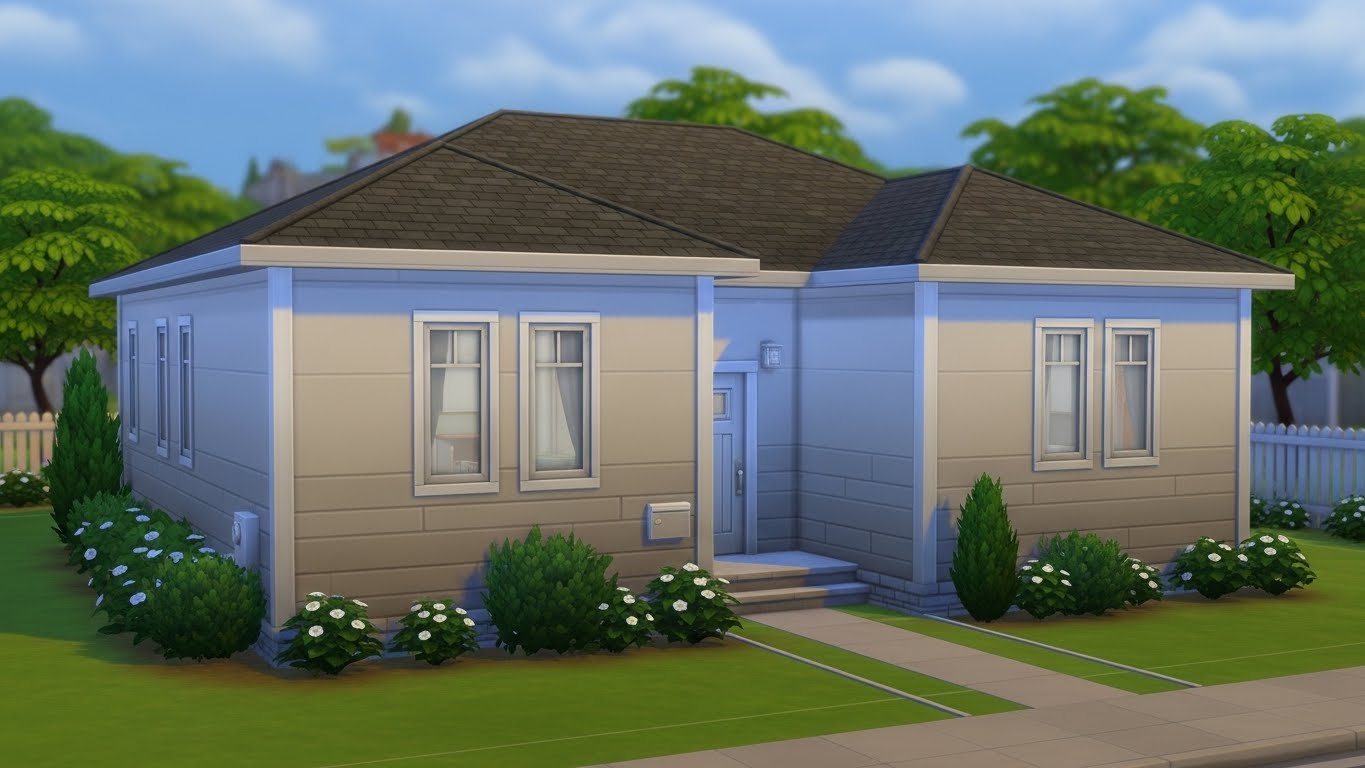
Eco homes are perfect for single Sims who value simplicity. Small cottages, modern studios, and tiny homes align beautifully with sustainable principles.
These builds are budget-friendly and ideal for slow, story-driven saves.
Off-Grid and Nature-Focused Living
Nature-focused Sims benefit from homes that feel part of the environment. Use natural paths, minimal fencing, and organic shapes to blur the line between indoors and outdoors.
These builds shine in rural and nature-heavy worlds.
Common Mistakes to Avoid in Eco Builds
Even sustainable homes can lose their purpose if overdesigned. Avoid:
- Too many decorative items
- Oversized empty rooms
- Excessive color contrasts
- Overly modern elements without balance
Simplicity is key. Sustainable design should feel intentional, calm, and functional.
Storytelling Through Sustainable Architecture
One of the biggest advantages of eco builds is storytelling. Sustainable homes naturally support narratives about growth, responsibility, and balance.
Your Sims’ house can evolve with their values — starting simple and becoming more refined over time without losing its eco-friendly foundation.
Why Sustainable Builds Are Perfect for Long-Term Saves
Eco homes age well. Their timeless design, neutral palettes, and flexible layouts make them ideal for saves that span multiple generations.
Instead of constant rebuilding, you can upgrade, expand, and adapt — keeping the original structure intact.
Final Thoughts
Sustainable house builds with eco materials bring depth, realism, and creativity to The Sims 4. They encourage thoughtful design, meaningful progression, and immersive gameplay.
Whether you’re building a tiny eco cottage, a modern green home, or a nature-inspired family house, sustainability helps your builds feel purposeful and timeless.
By focusing on natural materials, efficient layouts, and long-term adaptability, you’ll create homes your Sims can truly grow into — and players will love revisiting again and again.